 Clips4Sale
Filming Clips Alone: How a One-Person Production Works
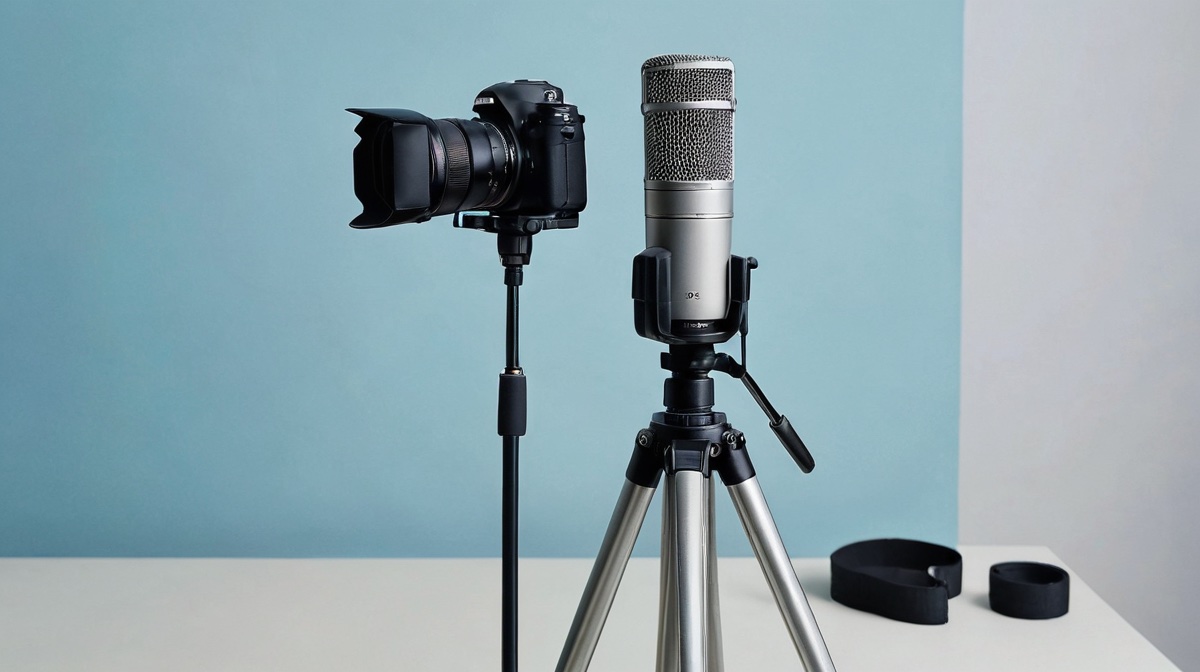
Nobody is holding the camera. That single fact reorganises a shoot, because every job a small crew would split between three people now happens in one head, in sequence, while you are also the person on camera. Filming clips alone is less about gear than about deciding what you can check before you press record, since almost nothing can be checked while you are in frame.
The frame you cannot see
A camera’s screen faces away from you. A phone’s front camera solves that and costs you the better lens. Neither problem is worth agonising over, because the practical fix is the same either way: you make the frame safe rather than perfect.
Shoot wider than you want the finished clip to be. Extra headroom and a hand’s width either side gives you a crop in the edit, and it means a step you did not plan does not put your head through the top of the frame. If you capture at a higher resolution than you deliver, that crop costs you nothing visible.
Then find a way to see. A cheap mirror propped behind the camera works. A tablet running the camera’s companion app works better. An old phone on a stand, framed on the same spot and recording nothing, works well enough to catch the worst of it. What you are checking is boring and specific: is the top of my head in, is there a lamp growing out of my shoulder, is the wardrobe door open behind me.
Mark the floor before you mark anything else
Two strips of tape on the floor, the nearest point and the furthest point you intend to occupy, solve more problems than any accessory. They keep you inside the frame, and they keep you inside focus. Losing focus is the failure people notice second and diagnose last.
Autofocus hunts. It hunts most when the subject moves toward the lens, which is exactly what you do. Set focus manually on your near mark, stop the aperture down a little so there is some depth to work with, and stop asking the camera to make decisions while your back is turned. A wide-open lens gives you a lovely soft background and a very thin slice of sharpness, and that slice is unforgiving of a person who cannot see the screen.
Record twenty seconds. Walk your marks. Watch it back on something bigger than the camera. Do this before the take rather than after it, since a look afterwards only tells you what you have already lost.
Where the light has to be
Light has to be in front of you, higher than your eyes, and bigger than you think. That is most of it.
In front, because a source behind you makes a silhouette. Higher than your eyes, because light from below reads as strange and light from directly overhead drops shadows into your eye sockets, which is what a bare ceiling fitting does to everyone. Bigger, because a large source wraps around a face and a small one carves it up. A bedsheet clipped in front of a lamp is a large source. A window is an enormous one, with the drawback that it keeps office hours and changes colour through the afternoon.
Two modest lights beat one bright one. Put the main source off to one side at roughly forty-five degrees, then use the second, weaker, to open up the shadow on the other side so the dark half of your face still has detail in it. If you only have one, a white wall or a sheet of foam board on the shadow side does the second light’s job for free.
The reason this outranks camera choice is noise. In poor light a sensor is guessing, and guesswork looks like grain, mushy detail and colours that will not sit still. No amount of editing puts back what was never recorded.
One more thing, and it matters for a store rather than a clip: if you shoot in the same corner with the same setup every time, your catalogue looks like it came from one place. Take a photo of your lighting positions once you like them. Rebuilding a setup from a photograph takes four minutes. Rebuilding it from memory takes an hour and lands somewhere else.
Sound is the thing people actually notice
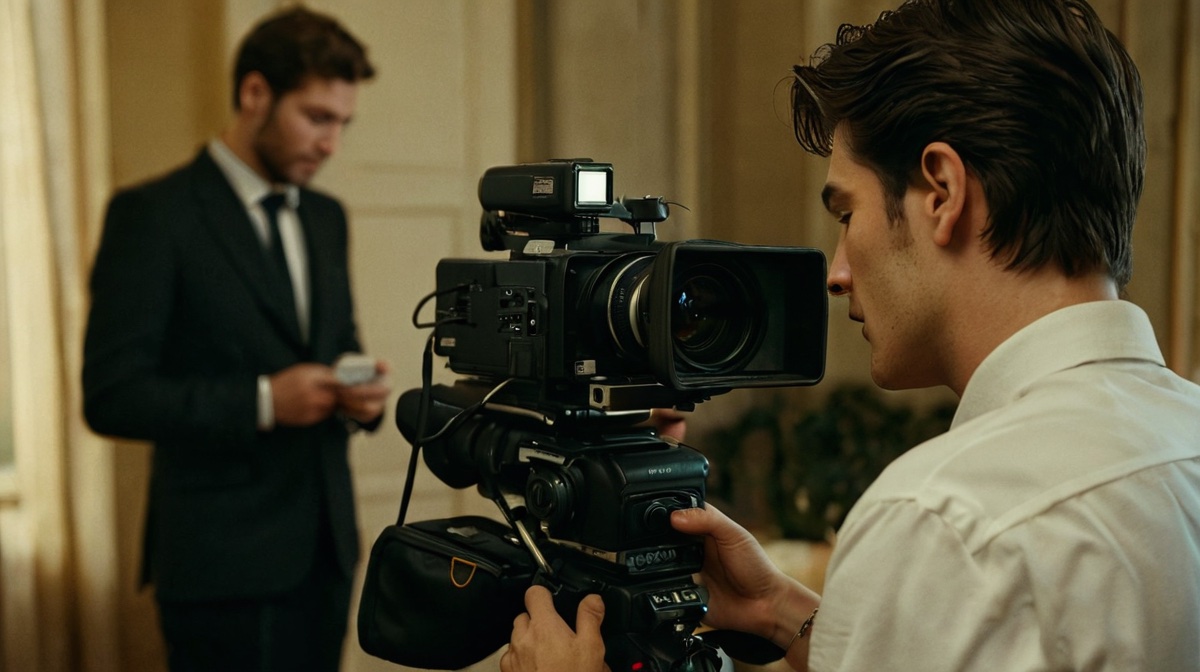
An audience will forgive a soft image for ten minutes. It will not forgive echo, and it will not forgive a hum, because bad sound is tiring in a way that bad picture is not.
Echo comes from the room, not the microphone. Bare walls, hard floors and high ceilings all send your voice back at you slightly late. Shooting in a smaller, softer room fixes it. So does a duvet on a clothes rail behind the camera, and so do curtains, rugs and a wardrobe full of clothes standing open. This is the cheapest quality upgrade available to anyone.
Hum comes from things you have stopped hearing. A fridge. Air conditioning. A laptop fan. A phone sitting on the same table as the recorder. Record thirty seconds of an empty room, listen on headphones, and you will hear a surprising amount of machinery.
Beyond that, distance beats budget. A modest microphone close to you outperforms an expensive one across the room, every time, because the ratio of your voice to everything else is set by how near it is. A clip-on mic hidden under a collar, or a small recorder just outside the frame at chest height, is enough.
Set your levels a touch low rather than a touch high. Quiet audio can be lifted, at the cost of some hiss. Audio that clipped on the loud moments is broken and stays broken. If you are recording sound separately, give yourself a clap at the top of every take so the two files line up in seconds instead of minutes.
The second take exists for a reason
You cannot direct and perform at the same time. The first take is where you find out what you actually say, where you drift, and which sentence you cannot get through. Treat it as a rehearsal that happened to be recording, and it stops feeling like a failure.
Do not review after every take. Shoot two, then look, or you will spend the session at the monitor with the lights burning and the room heating up. When you do look, sort the problems into two piles. Fatal ones are focus, audio dropouts, something visible in frame that should not be, and losing the thread of the piece. Everything else, a stumble mid-sentence, a pause too long, a line delivered flat, is a cut you can make later, and a reason to keep rolling rather than start again.
Work in blocks, not clips
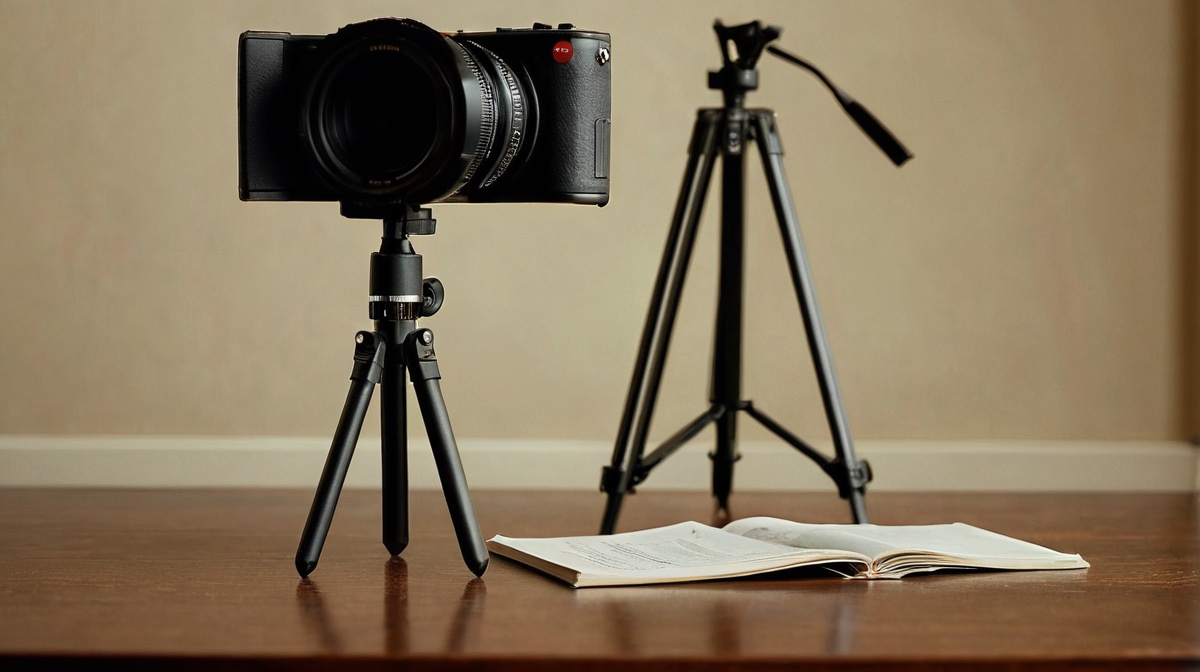
Setting up is the fixed cost of the day. Once the light is where you want it, the room is quiet and the marks are down, the marginal cost of a second piece is small. That is the entire argument for batching. Three pieces shot in one afternoon cost far less each than three afternoons, and the arithmetic behind that is set out in what a clip costs you in hours.
Batching has one trap, and it is continuity. Write down what you wore, how your hair sat, and where the marks were, because a set of clips released as a series will read as one day to a buyer, and a mid-series wardrobe change tells them it was not. A photo of yourself at the top of the session is a faster note than any written one.
Being your own director
Decide the shape before you are in front of the lens. Standing on a mark trying to invent a structure is where sessions go long and clips come out shapeless, and a piece with a beginning, a turn and an ending is a different product from a demonstration, which is the whole subject of writing a clip that has a shape.
A card taped just under the lens with three or four beats on it keeps your eyeline in the right place and stops you drifting. Know your last line before you start, so you have somewhere to land instead of trailing off and hoping the edit rescues it.
What to buy, in what order
If money is going to arrive in pieces, spend it on light first, sound second, and the camera last. Almost every one-person setup is limited by its room and its lamps, not by its sensor. A second light and something soft to kill the echo will change your clips more than a new body will, and both of them serve the part of the job buyers respond to, which is covered from the buyer’s side in how to make clips that sell.
In practice
A one-person shoot is really a preparation problem. Everything a small crew would check while you performed has to be checked before you step into frame, so the working sellers build a repeatable corner: marks taped on the floor, focus set by hand, a light in front and above, and something soft in the room to kill the echo. They record a short test and watch it back before the take rather than after it. Almost nobody is limited by their camera. They are limited by the room, the lamps and the fact that nobody is watching the monitor.
For beginners
Frame wider than you need so a step out of position doesn't ruin the take, tape two marks on the floor and set focus manually on the near one. Put your light in front of you and higher than your eyes, never behind. Record thirty seconds of the empty room and listen on headphones; whatever you hear humming will be on every clip you make today. Then shoot two takes before you review anything.
For experienced sellers
Experienced solo producers photograph their lighting setup so it can be rebuilt in minutes, and they batch: once the room is quiet and the lights are up, the marginal cost of a second and third piece is small. They keep continuity notes so a run of clips reads as one session, they know which faults are fatal and which the edit will absorb, and they spend money in the order that actually changes the picture, which is light, then sound, then glass, then a body.
FAQ
Can you film clips on your own?
Yes, and most sellers do. What changes is that framing, focus, light, sound and performance all land on one person, so the work moves to preparation: mark the frame and the floor before you start, lock focus manually, record a short test and watch it back, then shoot.
What matters most when filming alone?
Sound first, then light, then framing. Viewers put up with a soft image far longer than they put up with room echo or a hum in the background, and light is the one thing you cannot repair afterwards. Framing is the easiest of the three to control once you have marked where you are allowed to stand.